

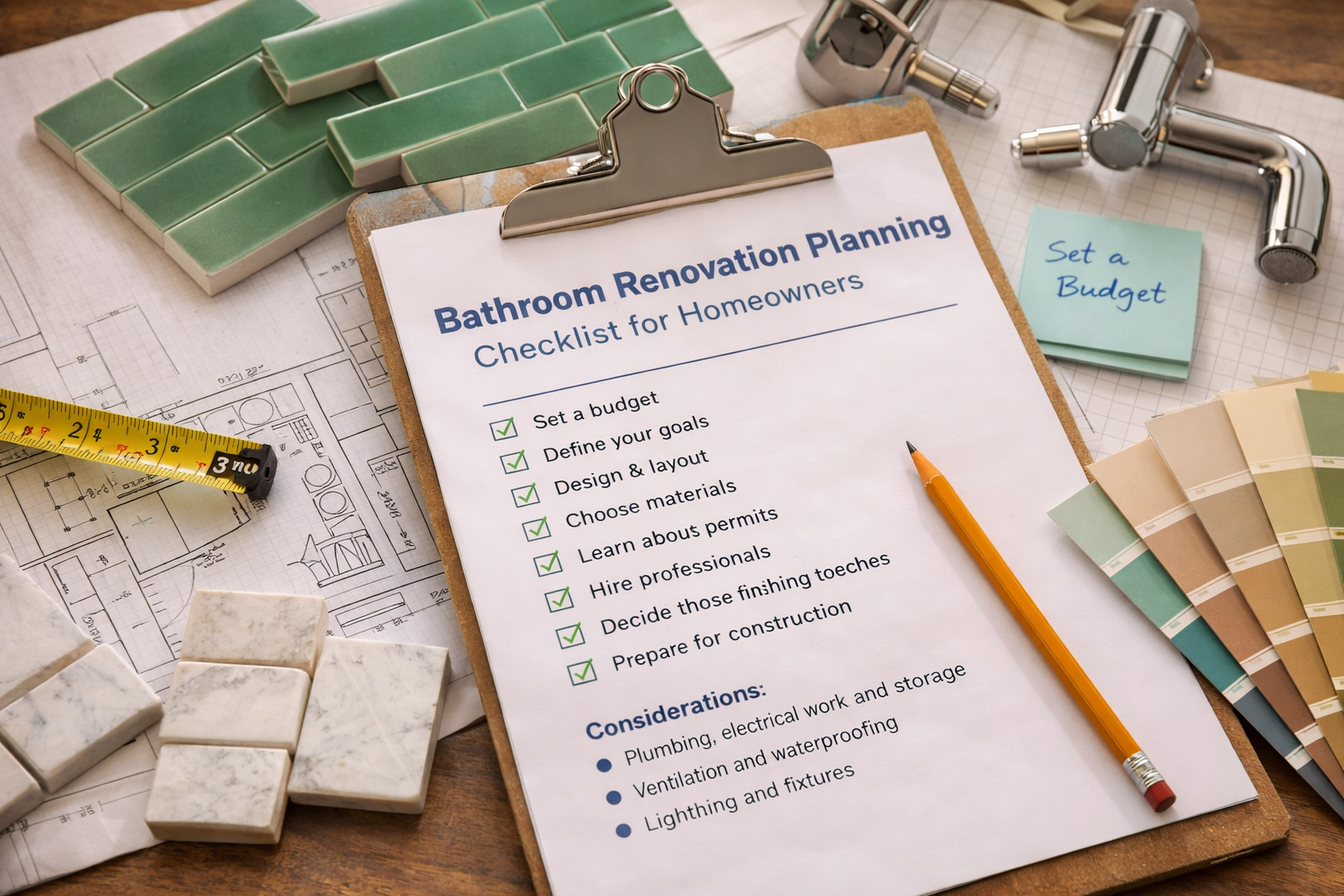
A well-planned bathroom renovation boosts daily convenience, improves appearance, and can even raise property value. Still, many projects run over budget or schedule due to poor planning.
Creating a clear renovation checklist helps homeowners stay organised throughout the process. By carefully planning layout, fixtures, plumbing, and design elements, you can ensure that your bathroom renovation runs smoothly and delivers long-term benefits.
Many homeowners planning bathroom upgrades often focus on design inspiration without considering how different fixtures, plumbing systems, and layout decisions work together. In urban homes, especially in growing cities, modern bathroom spaces are being redesigned to balance functionality, comfort, and efficient use of space.
Measure the Bathroom Space Properly
Before selecting fixtures or materials, it is important to understand the exact dimensions of your bathroom. Measuring the available space helps determine the correct placement of fittings, storage units, and walking areas. Many renovation issues occur when fixtures are purchased without verifying whether they will fit comfortably. Accurate measurements allow homeowners to plan layouts more efficiently and avoid costly adjustments later in the renovation process.
Proper measurements also help determine how much storage can be installed without overcrowding the room. For example, wall-mounted cabinets or vanity units may be ideal for compact bathrooms with limited floor space. Planning based on the room’s actual dimensions ensures the renovated bathroom remains functional and comfortable.
Start with the Right Fixtures
Choosing the right fixtures is one of the most important decisions during renovation. Durable and well-designed fittings improve both usability and the visual appeal of your bathroom. Many homeowners today prefer upgrading to modern bathroom fittings supplied by Mumbai suppliers, as they combine durability, functionality, and contemporary design suitable for urban homes.
Investing in reliable fixtures reduces long-term maintenance costs by minimising repairs and improves water efficiency by limiting unnecessary water use. Modern fixtures are designed to deliver better water-flow control and improved durability, helping maintain performance for many years. Selecting high-quality materials such as stainless steel or brass fittings also improves resistance to corrosion and moisture.
Plan the Wash Basin Area Carefully
The wash basin is one of the most frequently used elements in any bathroom, so its placement and design must be planned carefully. A well-positioned basin improves convenience and enhances the overall layout of the space. When selecting a wash basin in Mumbai, homeowners often consider factors such as available space, storage options, and compatibility with the bathroom’s interior style.
Modern basin designs also help create a more elegant and organised bathroom environment. Countertop basins, wall-mounted basins, and integrated vanity units are popular choices because they combine practicality with modern design aesthetics.
Plan Storage Solutions in Advance
Storage plays a crucial role in maintaining an organised and clutter-free bathroom. During renovation planning, homeowners should consider where everyday items such as toiletries, towels, and cleaning supplies will be stored. Installing cabinets, vanity storage, or wall-mounted shelves can significantly improve the functionality of the space.
Built-in storage niches in shower areas are also becoming increasingly popular because they provide convenient storage without taking up additional space. Proper storage planning ensures the bathroom remains practical while maintaining a clean, visually appealing layout.
Upgrade the Shower Experience
A comfortable shower area can significantly improve the overall bathroom experience. Many modern renovations focus on installing advanced shower systems that provide better water flow and a more relaxing bathing environment. Installing a premium rain shower head in Mumbai homes has become increasingly popular because it creates a spa-like shower experience while maintaining efficient water distribution.
Shower systems with adjustable water pressure and multiple spray modes also improve comfort during daily use. Choosing the right shower fixtures can transform a routine shower into a relaxing and refreshing experience.
Add Functional Bathroom Accessories
Accessories play an important role in keeping the bathroom organised and easy to use. Items such as towel holders, shelves, soap dispensers, and storage trays help maintain a clean and clutter-free space. Well-designed bathroom accessories in Mumbai homes can improve both functionality and aesthetics by ensuring that everyday essentials are conveniently placed.
Choosing accessories that complement the bathroom’s overall design also enhances visual harmony. Coordinated finishes and colours can make the space appear more polished and thoughtfully designed.
Consider Space-Saving Toilet Designs
Space optimisation is an important factor, especially in modern apartments where bathrooms may be smaller. Many homeowners prefer installing sleek and efficient toilet designs that save space while maintaining comfort. A wall-hung toilet in Mumbai homes is often chosen during renovations because it creates a modern appearance and makes floor cleaning easier.
Wall-mounted toilets also help create a sense of openness in smaller bathrooms. Because the plumbing system is concealed behind the wall, the overall look appears cleaner and more streamlined.
Check Plumbing and Drainage Systems
Before installing new fixtures, it is essential to inspect the plumbing and drainage system. Old pipes, improper drainage slopes, or weak water pressure can impact the performance of a renovated bathroom. Updating plumbing systems during renovations helps prevent water leaks, drainage issues, and expensive repairs later.
A professional plumbing inspection ensures that all fixtures operate efficiently and that water pressure remains balanced throughout the bathroom system.
Ensure Proper Waterproofing
Waterproofing is one of the most important steps in any bathroom renovation. Without proper protection, moisture can seep into walls and floors, leading to long-term structural damage and mould growth. Applying high-quality waterproofing materials before installing tiles helps prevent leaks and protects the bathroom’s underlying structure.
Proper waterproofing not only increases durability but also reduces the risk of expensive repairs in the future.
Choose Durable Tiles and Surfaces
Tiles influence both the safety and visual appearance of the bathroom. Slip-resistant tiles are particularly important in wet areas such as shower spaces. Moisture-resistant materials help protect walls and floors from long-term damage caused by humidity.
Selecting high-quality tiles improves durability and enhances the bathroom’s overall design theme. Many homeowners also choose textured tiles for shower areas to improve grip and reduce the risk of slipping.
Improve Lighting and Ventilation
Lighting and ventilation are often overlooked during bathroom renovations, but they play a critical role in maintaining comfort and hygiene. Good lighting improves visibility for daily activities such as grooming and cleaning, while proper ventilation prevents moisture buildup and mould growth.
Installing exhaust fans can improve air circulation, while layered lighting allows for task-specific brightness, both of which significantly enhance the space’s usability. Combining ambient lighting with task lighting near mirrors creates a balanced and comfortable environment.
Select a Design Style That Matches Your Home
Choosing a design style helps create a cohesive look that complements the rest of your home. Whether homeowners prefer a minimalist, contemporary, or luxury-inspired aesthetic, selecting consistent colours, finishes, and fixtures helps maintain visual harmony.
Coordinating tiles, fittings, and accessories ensures that the renovated bathroom feels well-designed rather than randomly assembled. A thoughtful design approach enhances both the appearance and the comfort of the space.
Conduct a Final Inspection
Once the renovation work is completed, a final inspection helps ensure everything functions properly. Check plumbing connections, water pressure, fixture installation, tile finishing, and lighting systems.
Testing each element carefully ensures that the bathroom renovation meets both functional and aesthetic expectations before the space is fully used.
Conclusion
A bathroom renovation requires thoughtful planning and attention to detail. By following a structured checklist, homeowners can avoid common mistakes and create a space that balances style, comfort, and practicality. From selecting the right fixtures to ensuring proper plumbing and layout planning, every decision contributes to the success of the renovation.
A thoughtfully renovated bathroom is a valuable asset that brings comfort and enjoyment to your daily life and can enhance your home’s value.
Frequently Asked Questions
1. How long does a typical bathroom renovation take?
A standard bathroom renovation usually takes around two to four weeks, depending on the size of the space and the type of work involved. Simple upgrades such as replacing fixtures may take only a few days, while full renovations involving plumbing, tiling, and layout changes may take longer. Proper planning and timely availability of materials can help keep the project on schedule.
2. What should homeowners plan first before starting a renovation?
Homeowners should begin by defining the renovation’s goal: improving functionality, updating the design, or increasing storage space. After that, reviewing the bathroom layout and setting a realistic budget becomes essential. Planning these elements early helps avoid unnecessary expenses and ensures smoother execution.
3. Is it necessary to upgrade plumbing during renovation?
Upgrading plumbing is recommended if the existing pipes are old, damaged, or inefficient. Renovation is the best time to inspect the plumbing system because walls and floors are already being opened. Updating pipes during this stage helps prevent future leaks, improves water pressure, and ensures long-term reliability.
4. Does renovating a bathroom increase property value?
Yes, renovating a bathroom can significantly increase a property’s value. Modern fixtures, improved lighting, a better layout, and updated materials make the space more attractive to potential buyers. Even small upgrades can enhance the home’s overall appeal and improve its resale potential.5. How can homeowners control renovation costs?
To manage renovation costs, homeowners should start with a clear budget and renovation plan. Prioritising essential upgrades and comparing materials before purchasing can help reduce expenses. It is also helpful to maintain a small contingency fund for unexpected repairs that may arise during the renovation process.