

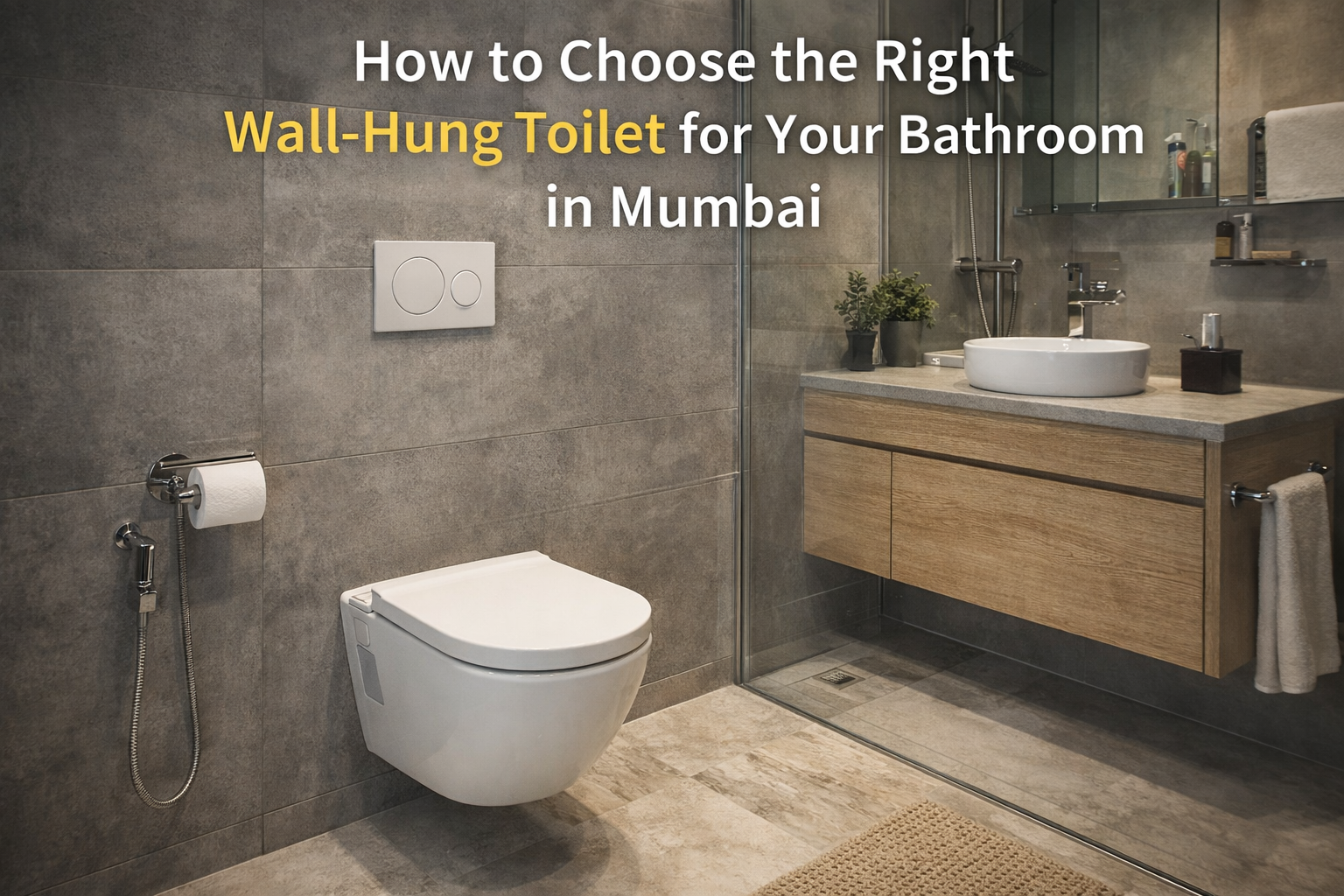
Choosing the right toilet is an important part of designing a bathroom that feels comfortable, practical, and visually appealing. While many homeowners focus on tiles, lighting, or fittings first, the toilet plays a major role in both everyday convenience and the overall look of the space. If you are planning a new bathroom or renovating an old one, selecting the right model requires more thought than it may seem.
In cities like Mumbai, where space is often limited and modern interiors are preferred, wall-hung toilets have become a popular choice. Their sleek floating design creates a cleaner look, saves visual space, and fits well into contemporary bathrooms. However, making the right decision involves more than simply choosing a stylish model. You also need to think about structure, plumbing, quality, flushing system, maintenance, and how the toilet fits into the rest of your bathroom design.
A well-chosen wall-hung toilet can improve both functionality and aesthetics for years. That is why it helps to understand what to look for before making the final decision.
Many homeowners today want bathroom spaces that feel modern, efficient, and easy to maintain. As a result, hidden cistern systems, clean-lined fixtures, and space-saving sanitaryware are becoming more common in urban homes. Wall-hung toilets fit perfectly into this shift because they combine design with practicality.
Why Wall-Hung Toilets Are Becoming Popular
Wall-hung toilets are mounted onto the wall, while the flush tank and supporting frame remain concealed behind it. This creates a floating appearance that gives the bathroom a cleaner and more open feel. Because the plumbing is hidden, the overall design looks more refined and less cluttered.
One of the biggest reasons for their popularity is the sense of spaciousness they create. In smaller bathrooms, even a little extra visible floor area can make a noticeable difference. The open space beneath the toilet makes the room appear lighter and less crowded, which is especially useful in compact apartments.
Another reason homeowners prefer this style is hygiene. Since the floor below the toilet remains open, cleaning becomes easier. Dirt and moisture do not collect around a pedestal base, which helps maintain a tidier bathroom environment.
The modern, premium look of wall-hung toilets also appeals to people who want a more sophisticated design. For many urban households, especially in Mumbai, this style offers a good balance between function and elegance.
Review the Bathroom Structure Before Buying
Before selecting any model, the first thing to consider is whether your bathroom structure can support a concealed installation system. A wall-hung toilet does not rely on the wall alone. It uses a hidden metal frame that is securely fixed into the wall and floor, which supports the weight of both the fixture and the user.
If you are building a new bathroom, it is usually easier to plan the concealed frame from the start. In renovation projects, however, the wall may need to be opened or reinforced to create enough depth for the installation. This is why structural assessment is so important.
Many homeowners planning a modern upgrade consult professionals dealing with Bathroom Fittings Mumbai projects to ensure that the wall thickness, pipe alignment, and support system are all suitable for a concealed frame setup. This step reduces the chance of installation errors and helps ensure long-term safety.
Proper structural preparation is not just about installation convenience. It also affects how secure and durable the toilet will be once it is in daily use.
Understand Wall Hung Toilet Pros and Cons
Before finalising your choice, it is always useful to look at both the advantages and limitations of wall-hung toilets. This helps you make a realistic decision based on your home, budget, and usage needs.
The biggest advantages are clear. Wall-hung toilets save visible space, make cleaning easier, and create a modern floating look. They can also be installed at a comfortable height, which can be useful for different users. Because the cistern is hidden inside the wall, the overall appearance feels cleaner and more premium.
At the same time, homeowners should also understand wall hung toilet pros and cons before moving forward. Installation is usually more involved than with a standard floor-mounted model. Since the frame and tank are concealed, the initial cost can be slightly higher. Professional installation is also important because improper fitting can create long-term problems.
However, these concerns are easier to manage when quality products and expert installation are chosen from the beginning. In most cases, the long-term benefits outweigh the higher installation effort.
Compare It with Other Toilet Options
Wall-hung toilets are not the only option available, so it is worth comparing them with other common toilet styles before making a final choice. This gives you a better idea of what suits your bathroom layout, design goals, and budget.
One common alternative is a floor-mounted one-piece toilet. Many homeowners compare a wall-hung model with a western one piece toilet in Mumbai before deciding. A one-piece toilet is usually easier to install because it does not require a concealed frame system. It also tends to have a lower upfront installation cost.
However, floor-mounted models occupy more visual space and expose more of the plumbing arrangement. In smaller or highly design-focused bathrooms, this can make the room feel more crowded. Wall-hung toilets, on the other hand, provide a cleaner and more premium appearance, especially when paired with concealed plumbing and modern fittings.
If your priority is a sleek look and efficient use of space, a wall-hung model is often the better option.
Choose the Right Flush System
Flush performance is one of the most important functional aspects of any toilet. A well-designed toilet should flush efficiently, use water wisely, and continue to perform smoothly over time. Since the flush system in a wall-hung toilet is concealed, it becomes even more important to choose a reliable one.
Dual-flush systems are highly recommended because they allow better water control. One option uses less water for light flushing, while the other uses more when required. This helps improve water efficiency in everyday use without reducing effectiveness.
When choosing a concealed cistern, focus on smooth operation, easy access through the flush plate, and durable internal components. A well-built concealed system reduces the risk of leaks and provides long-term convenience. Since repairs are handled through the access panel, quality matters even more than with exposed systems.
A good flush system is not just about saving water. It also improves reliability and reduces the chances of maintenance issues later.
Focus on Ceramic Quality and Frame Strength
The durability of a wall-hung toilet depends largely on two things: the quality of the ceramic body and the strength of the concealed support frame. Both should be strong enough to handle regular use without wearing down quickly.
High-quality ceramic surfaces are smoother, easier to clean, and more resistant to stains. They also maintain their appearance better over time. A well-finished toilet bowl adds to the premium feel of the bathroom while also improving hygiene.
Equally important is the concealed frame behind the wall. This hidden structure carries the weight of the toilet and the user, so it must be made from strong, corrosion-resistant material. A properly designed frame stays stable for years and prevents loosening or movement over time.
When homeowners choose sanitaryware, they often compare different options under Best Sanitaryware In Mumbai to ensure they are selecting products that combine design, strength, and lasting performance. A strong frame and quality ceramic are what turn a stylish fixture into a dependable one.
Plan the Bathroom Layout Properly
A wall-hung toilet may save visible space, but it still needs to fit naturally into the overall bathroom layout. Positioning, movement space, drainage alignment, and access to other fixtures should all be considered before installation begins.
This is especially important in Mumbai homes, where bathroom sizes can vary widely. In smaller bathrooms, a wall-hung toilet can create a lighter and less crowded feel, but only when it is placed correctly. If the layout is poorly planned, even a compact toilet can make the room feel awkward.
Many homeowners also coordinate the toilet with Best Wash Basins In Mumbai to maintain a balanced look across the bathroom. Matching the basin style, finish, and placement with the toilet helps create a more cohesive and intentional design.
A well-planned layout also ensures that plumbing lines, drainage slope, and wall depth are handled correctly before the installation is completed.
Think About Cleaning and Maintenance
Maintenance is an important factor that is often overlooked during the selection process. One reason wall-hung toilets are appreciated in modern homes is that they are easier to clean. Since the base does not touch the floor, there are fewer corners where dirt and moisture can collect.
This design makes sweeping and mopping simpler and helps maintain a more hygienic bathroom. The smooth lines and concealed plumbing also reduce visible clutter, which contributes to a cleaner appearance overall.
During renovation, many homeowners also update related products such as Bathroom Accessories in Mumbai to match the new sanitaryware and improve the overall usability of the space. Coordinated accessories can make the bathroom more functional while preserving the modern look.
It is also important to think about the hidden side of maintenance. While the tank is concealed, internal components are typically accessible through the flush plate panel. This allows servicing without breaking the wall, provided the system has been installed correctly and uses good-quality parts.
Consider Drainage and Floor Hygiene
Even though the toilet itself is wall-mounted, drainage planning remains an essential part of the installation. Poor drainage design can create moisture problems, affect cleaning, and reduce long-term bathroom hygiene. When renovating a bathroom, the toilet should not be considered in isolation from the rest of the wet area.
Homeowners often pair their upgrade with quality Floor Drains In Mumbai to ensure efficient water flow and proper maintenance of hygiene across the entire bathroom. Good floor drainage is especially useful in compact or frequently used bathrooms where water splashes and cleaning are more regular.
A well-designed toilet area should work together with the rest of the bathroom, not as a separate element. Proper drainage support helps protect flooring, maintain cleanliness, and improve the overall user experience.
Choose a Design That Matches Your Bathroom Style
A wall-hung toilet should not only function well but also match the overall aesthetic of the bathroom. Since it is often chosen for its modern appearance, it works best when paired with fittings and finishes that support the same design language.
Simple shapes, concealed plumbing, soft-edged ceramics, and coordinated accessories usually create the best results. If your bathroom follows a minimalist style, go for a sleek and understated design. If the space is more luxurious, a premium finish and refined detailing may work better.
The goal is to make the toilet feel like a natural part of the bathroom design rather than an isolated feature. Choosing consistent materials and complementary fixtures helps create a more polished and well-planned space.
Conclusion
Choosing the right wall-hung toilet for your bathroom in Mumbai is about more than simply selecting a modern-looking fixture. It involves understanding your wall structure, comparing toilet types, selecting a reliable flush system, checking frame quality, and planning the layout carefully. When all of these elements come together, the result is a bathroom that feels cleaner, more spacious, and easier to maintain.
Wall-hung toilets have become popular for good reason. They offer a sleek appearance, make floor cleaning easier, and support a more open and contemporary bathroom design. For homeowners who want a balance of style and function, they are often an excellent choice.
With the right planning and good-quality products, a wall-hung toilet can become a durable and valuable part of your bathroom for years to come.
Frequently Asked Questions
1. Are wall-hung toilets strong enough for daily use?
Yes, wall-hung toilets are built for daily use when installed with the correct concealed frame system. Their strength depends on proper support, reliable materials, and expert installation. A good-quality setup remains stable and durable for years.
2. Are wall-hung toilets suitable for small Mumbai apartments?
Yes, they are especially useful in smaller bathrooms because the floating design creates more visible floor space. This makes the room feel less crowded and easier to clean. Their clean look also suits modern apartment interiors.
3. Is installing a wall-hung toilet complicated?
Installation requires careful planning because the frame and cistern are concealed inside the wall. It is not difficult when handled by experienced professionals, but structural support and pipe alignment must be checked properly before fitting.
4. Do wall-hung toilets require more maintenance?
No, they are often easier to maintain in day-to-day use because the open floor area allows better cleaning. Internal servicing can usually be done through the flush panel, so the wall does not need to be broken for common maintenance tasks.5. Are wall-hung toilets more expensive than traditional toilets?
The initial installation cost can be slightly higher because of the hidden frame and tank system. However, many homeowners find the investment worthwhile because they get a cleaner design, easier maintenance, and a more spacious-looking bathroom.