
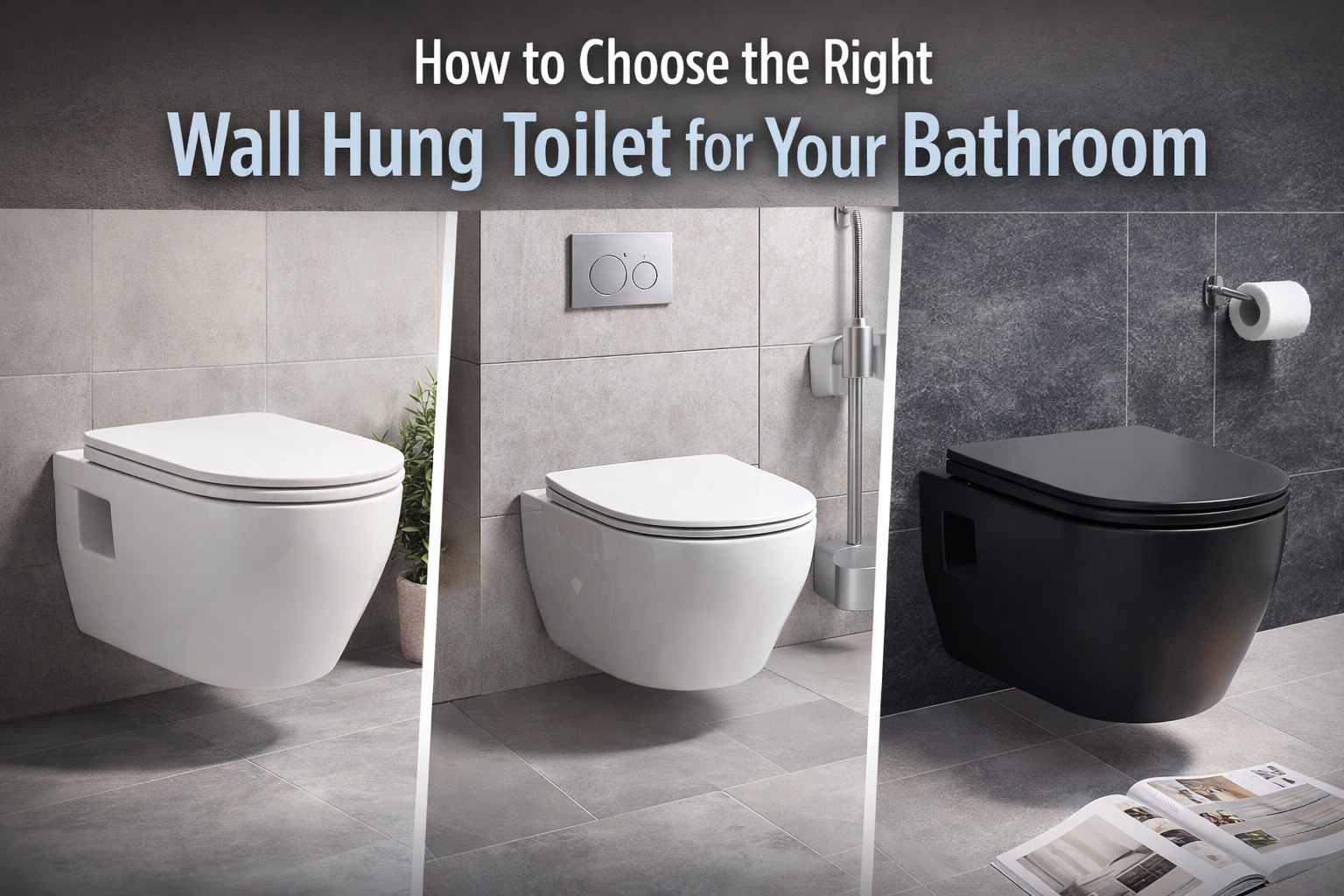
Picking the right toilet is important for comfort and the look of your bathroom. If you are building or updating a modern home in Mumbai, choosing a wall-hung toilet requires some planning. You need to think about support, plumbing, style, and how long it will last.
As more people want simple, space-saving bathrooms, wall-mounted toilets are now popular in city homes. Companies like Salus India offer modern, well-designed options for today’s bathrooms.
Why Wall-Hung Toilets Are Becoming Popular
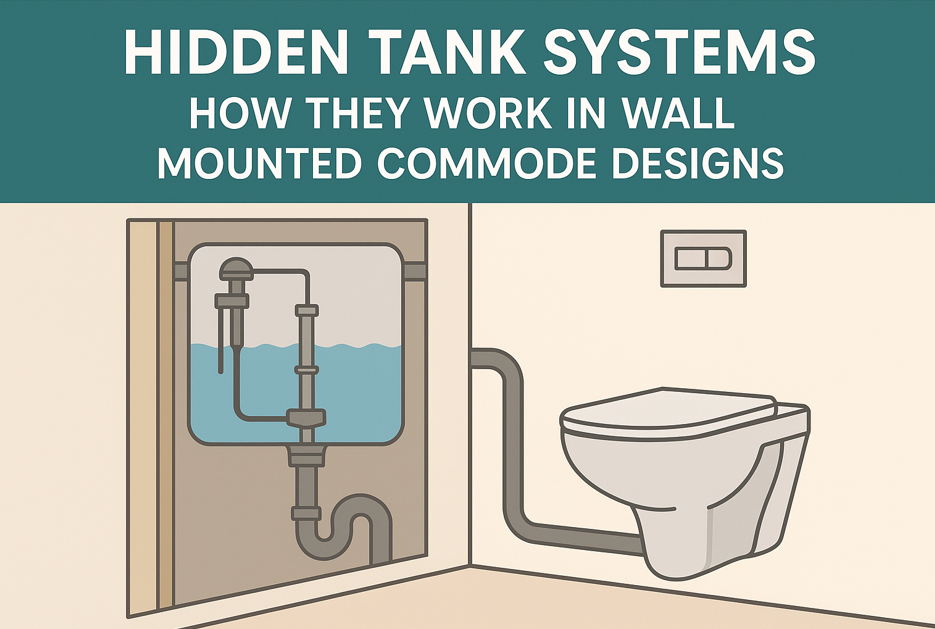
Wall-hung toilets are mounted on the wall, and the flush tank is hidden inside it. This floating look makes the bathroom feel cleaner and more open.
The open space under the toilet helps with cleaning and keeps things more hygienic. In small apartments, this open look really stands out. Many people in Mumbai choose this style for its modern, neat appearance.
Salus India’s premium collections are made to look good and last a long time.
Step 1: Review Your Bathroom Structure
Before selecting a model, check whether your wall can support a concealed frame system. Installation requires a strong support frame securely fastened to the wall.
If you are renovating, reinforcement can easily be added during construction. In older homes, a professional inspection ensures the wall thickness and plumbing depth are suitable. Consulting experts in bathroom Fittings Mumbai helps ensure structural compatibility and correct concealed installation.
While planning the structure, many homeowners also evaluate related sanitaryware options under best sanitaryware to maintain consistency across fittings.
Proper structural preparation prevents future installation issues and ensures safety.
Step 2: Understand wall-hung toilet pros and cons
It’s important to know the pros and cons of wall-hung toilets before you buy one.
Wall-hung toilets save space, are easier to clean, can be set at different heights, and look modern. Hiding the tank also makes the bathroom look better.
However, installation may cost a bit more due to the hidden frame. Repairs are done through the flush panel, so good quality is important. If you use strong parts, the toilet will last.
Salus India offers engineered frame systems designed for strength and long-term performance.
Step 3: Compare with Other Toilet Types
Homeowners often compare wall-hung toilets with traditional Western one-piece models when making a decision.
The Western one-piece toilet, being floor-mounted, is easier to install and typically has a lower upfront cost. However, it occupies more visible space in the bathroom.
In contrast, wall-hung toilets feature a sleek, floating design with hidden plumbing, offering a modern aesthetic that can enhance room décor. While they may be pricier, their minimalist appeal makes them attractive to those looking for a premium option. For budget-conscious renovations, floor-mounted toilets remain a sensible choice.
Step 4: Choose the Right Flush System
When selecting a toilet, flush efficiency plays a vital role in ensuring both performance and water conservation. Dual-flush systems are particularly beneficial as they offer two flushing options: one for liquid waste and another for solid waste, which helps to reduce water usage significantly.
It’s important to look for toilets with smooth flushing mechanisms that ensure a powerful and effective flush without wasting water. Additionally, opting for reliable concealed cistern systems can enhance the aesthetic appeal of the bathroom while ensuring consistent performance. High-quality concealed systems, such as those offered by Salus India, are engineered specifically for durability and optimal water efficiency, making them a smart choice for any bathroom.
Step 5: Focus on Quality and Brand Reliability
The durability of your toilet is largely determined by the quality of the ceramic used and the robustness of its frame. A well-constructed hidden frame is designed to support substantial weight, ensuring stability and preventing any loosening over time. By selecting high-grade materials, you not only enhance the toilet’s performance but also reduce the likelihood of costly repairs down the line. When you choose Salus India, you are guaranteed access to products that have undergone rigorous testing for strength, coupled with a sleek, contemporary aesthetic that complements any modern bathroom design.
Step 6: Plan the Overall Bathroom Layout
Bathrooms in India come in many sizes and styles. In small spaces, a wall-hung toilet can make the room feel bigger by freeing up visible floor space and creating a more open look.
To maintain visual balance, many homeowners coordinate their selection with the best wash basins to create a cohesive design. Matching finishes across fixtures, such as faucets and flush plates, enhances the overall aesthetic appeal and gives the bathroom a well-planned appearance.
It’s also important to consider the placement of other elements, such as shower areas, storage cabinets, and mirrors, to ensure comfortable movement within the space. Proper spacing between fixtures improves usability and prevents the bathroom from feeling cramped.
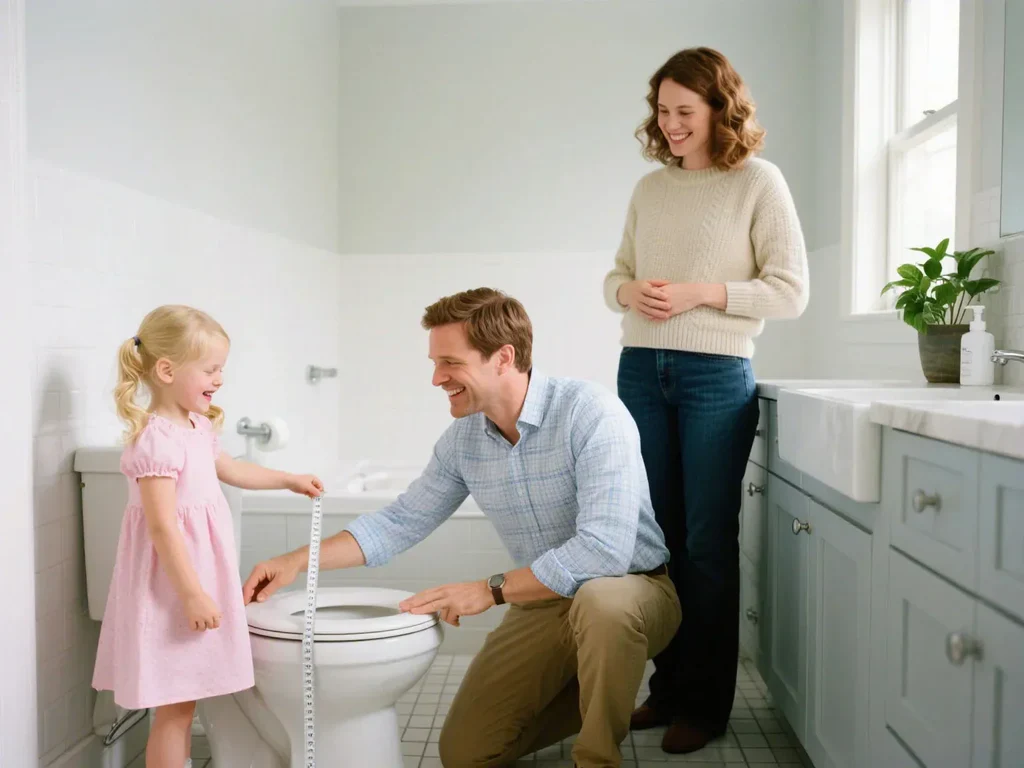
Before installation, measure the wall depth carefully and check that the concealed tank fits securely without affecting plumbing lines. Ensuring proper drainage alignment and slope will help prevent future water flow issues.
Thoughtful layout planning not only improves functionality but also increases the long-term value of your bathroom design.
Step 7: Think About Long-Term Maintenance
Think about maintenance before you buy. Wall-hung toilets are easier to clean since they don’t have joints on the floor.
During renovation, homeowners also upgrade related fittings, such as bathroom accessories, to match the new sanitaryware. Planning drainage systems using reliable floor drains ensures proper water flow and long-term hygiene.
If you install it well and use good materials, you won’t need much maintenance over time.
FAQs
1. Are wall-hung toilets strong enough for daily use?
Yes, wall-hung toilets use strong hidden frames that can hold a lot of weight. Their strength depends on good wall support and professional installation. If installed with quality parts, they are stable and last a long time.
2. Are wall-hung toilets suitable for small Mumbai apartments?
Yes. The floating design gives you more visible floor space, so small bathrooms look bigger and less crowded. It’s also easier to clean and move around, which is great for city homes.
3. Is installing a wall-hung toilet complicated?
Installation needs some planning, but it’s not hard if done by professionals. Good support and drainage are important. Once set up right, the toilet stays secure and works well for years.
4. Do wall-hung toilets require more maintenance?
No, they often require less day-to-day cleaning compared to floor-mounted toilets. The open floor area underneath the bowl reduces dirt accumulation and makes mopping and wiping much easier. Since there is no base touching the floor, there are fewer corners where dust, water stains, or bacteria can collect.
The concealed design also keeps plumbing components hidden, giving the bathroom a cleaner and more organized appearance. Internal components such as the flush valve and cistern mechanism can be accessed through the flush panel, so repairs can be carried out without breaking the wall.
When installed correctly with quality materials, wall-hung toilets are durable and stable. Regular cleaning and basic checks are usually enough to keep them functioning smoothly for years, making them a low-maintenance option for modern bathrooms.
5. Are wall-hung toilets more expensive than traditional toilets?
The first installation might cost a bit more because of the hidden tank and frame system required for wall-hung toilets. Since the cistern is concealed inside the wall and a sturdy support frame must be installed, the initial setup involves additional planning and professional installation. However, this investment offers several long-term advantages.