
Saving water is more important than ever. Higher utility bills, rising environmental concerns, and water shortages in cities have prompted many homeowners to pay closer attention to how much water they use each day. Upgrading your bathroom is one of the best ways to reduce water waste at home. Because bathrooms use a lot of a household’s water, even small changes can make a big difference over time.
Today’s bathrooms can be both stylish and eco-friendly. By choosing the right fixtures and systems, you can reduce water wastage without sacrificing comfort or performance. New designs let you enjoy strong showers and efficient flushing while using less water. With options from Salus India, you can create a bathroom that looks good, works well, and helps the environment.
Why It Is Important to Reduce Water Wastage
Bathrooms use water for showers, toilets, and faucets. Taking long showers, using old flush systems, having leaks, or high water pressure can all lead to excessive water use. By cutting back on water waste, you can lower your bills and help protect the environment for the future.
Using less water also helps your plumbing last longer. When water flow is controlled, it puts less stress on pipes and drains, so you’ll have fewer repairs. Even small leaks or old fittings can waste thousands of litres over time. Fixing these problems early saves money and helps the environment.
1. Install Water-Efficient Shower Systems
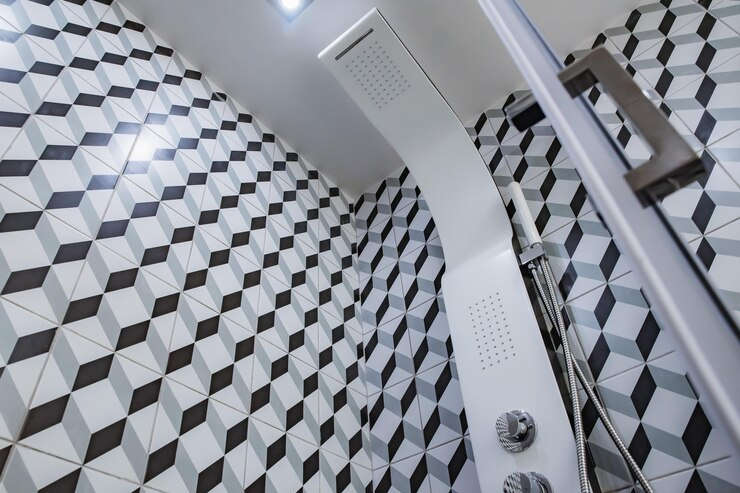
Showers use a large amount of water daily, especially in larger households. Old-style shower heads often use more water than necessary, which can raise your water bill. Switching to efficient options like multi-function showers in Mumbai lets you control how much water you use and adjust the spray to your liking. Instead of full-force flow, users can select controlled spray modes to reduce water waste while continuing a comfortable experience. These systems distribute water evenly, so you do not need excessive flow to achieve proper coverage.
A rain shower head can also be water-efficient when engineered with proper pressure balance. Modern rain showers are designed to deliver wide coverage without unnecessary water discharge. Salus India offers advanced shower systems that combine luxury design with flow efficiency, helping homeowners maintain sustainability without sacrificing comfort.
2. Use Thermostatic and Multi-Function Diverters
Controlling water temperature is important for saving water. Many people let water run while it warms or cools. A thermostatic diverter helps water reach the right temperature faster, so you waste less while adjusting the temperature.
A multi-function diverter also lets you switch easily between the overhead and hand shower without wasting extra water. By controlling how water is shared between fixtures, you use water more efficiently. These systems help you save water and make your daily routine easier.
3. Upgrade to Efficient Flush Systems
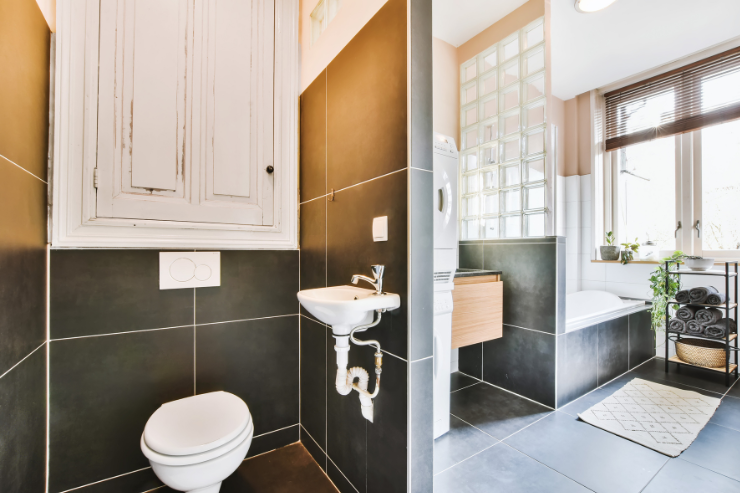
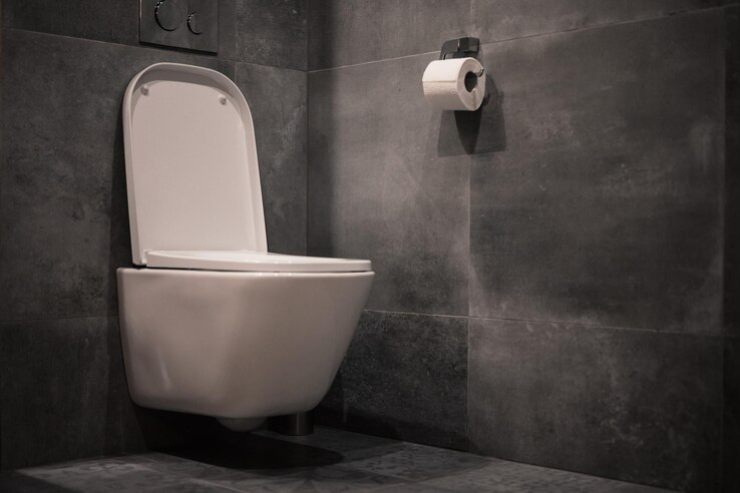
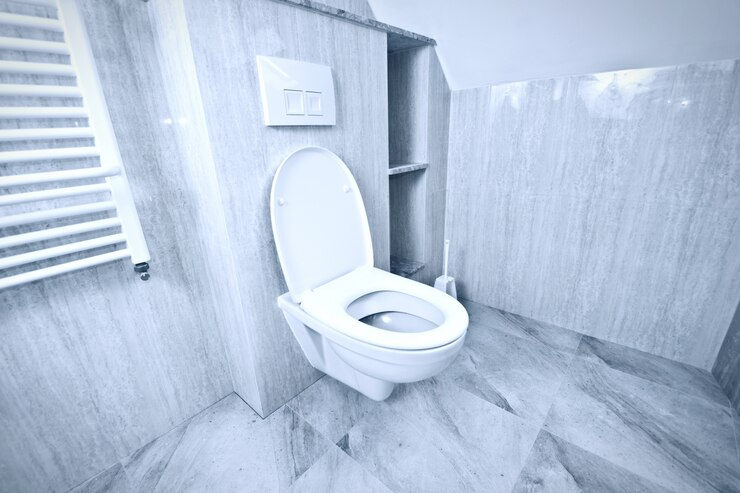
Toilets use a lot of water in most homes. Older flush systems usually use more water than needed. New wall-mounted and concealed toilets are designed to use water more efficiently.
Knowing the benefits and drawbacks of wall-hung toilets helps you make an informed decision. Many wall-hung toilets have dual-flush options, so you can pick a small or large flush as needed. This saves water over time without affecting cleanliness.
Salus India’s latest bathroom products are designed to flush effectively with less water, offering both reliability and eco-friendliness.
4. Install High-Quality Health Faucets
Health faucets are common in Indian bathrooms, but low-quality ones can leak or spray too much water. Upgrading to a sturdy health faucet gives you better control and helps prevent wasting water.
Good health faucets let you control water flow more precisely, helping you save water every day. Even small changes in spray pressure or nozzle design can reduce wasted water while keeping things clean.
5. Manage Water Pressure Properly
If your water pressure is too high, you’ll use more water and might damage your plumbing. Installing a pressure pump for your bathroom with a set output helps control the balanced flow.
When water pressure is just right, your showers and faucets work well without wasting water. Controlling pressure is an easy way to save water that many people forget. Balanced pressure also means you won’t have problems with splashing or overflow.
6. Improve Drainage Efficiency
Good drainage is important for saving water, even if it’s not obvious. If drains are slow, people might leave the water running longer. Installing a reliable floor drain trap helps water flow easily and prevents clogs.
Upgrading to a strong shower drain also helps water drain quickly, preventing it from building up. Good drainage makes it easier to use only as much water as you need. Salus India’s drainage products are designed to work well, stay clean, and help you manage water more effectively over time.
7. Choose Durable and Reliable Bathroom Fittings
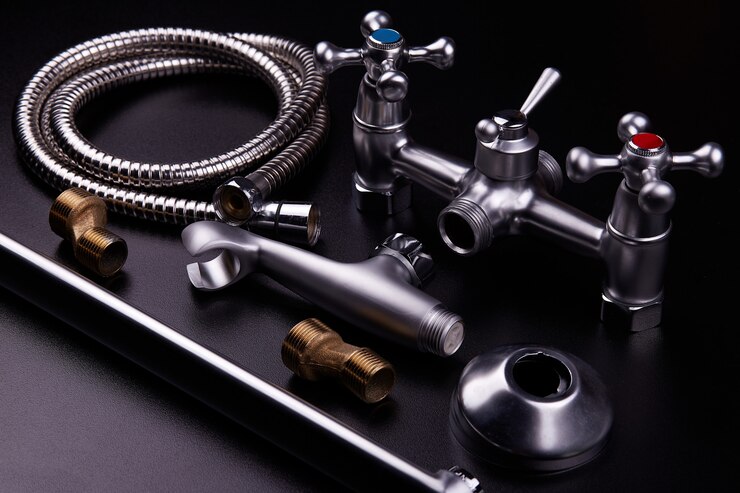
Leaks are a major cause of wasted water, and even tiny drips can add up to hundreds of litres over time. Using high-quality parts, such as a strong brass angle valve, helps prevent leaks and keeps everything tightly connected.
Durable fittings keep water flow steady and connections secure. Buying quality materials is one of the best ways to save water in the long run. Salus India focuses on making products that last, so you have fewer repairs and less water loss.
8. Use ABS Hand Showers and Smart Shower Heads
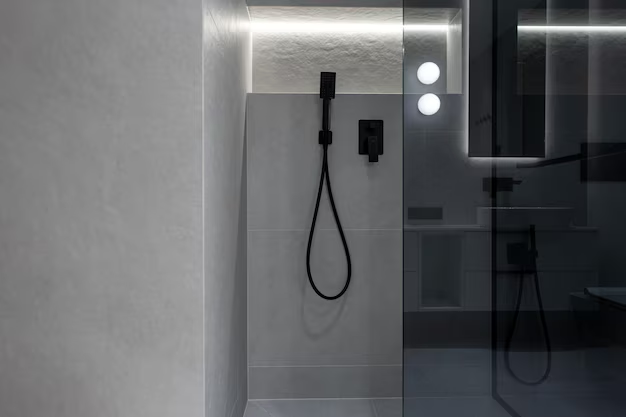
Switching to an ABS hand shower with a controlled spray pattern helps you use less water every day. The best modern shower heads in Mumbai use aeration, mixing air with water to maintain high pressure while using less water.
Many smart shower heads also include flow restrictors that limit excessive discharge. These built-in mechanisms ensure that only the required amount of water flows through the shower, preventing unnecessary wastage.
ABS hand showers are lightweight, durable, and corrosion-resistant, making them ideal for long-term use in Indian bathrooms. Their precise spray control allows users to direct water exactly where needed instead of letting it flow continuously.
Upgrading to efficient hand showers and shower heads is one of the simplest and most affordable ways to reduce water wastage in modern bathrooms. Even a small reduction in flow rate can save thousands of litres of water over a year in a single household.
9. Encourage Mindful Usage Habits
Technology helps, but changing a few habits can also make a big difference in saving water:
- Turn off the water while soaping or shampooing.
- Fix leaks immediately
- Avoid unnecessarily long showers.
- Regularly inspect fittings
- Use controlled spray modes wisely.
When you combine good habits with efficient fixtures from Salus India, you can use much less water and make your home more sustainable.
10. Integrate Smart Bathroom Design
When planning a modern bathroom, it’s important to consider both the layout and water-saving measures. Using systems that work well together helps everything run smoothly without wasting water. Choosing matching fittings from trusted brands like Salus India ensures all parts fit and work together.
When showers, diverters, flush systems, and drainage are engineered to work together, it becomes easier to reduce water wastage across daily activities. Smart planning not only enhances aesthetics but also supports responsible water usage.
Long-Term Benefits of Reducing Water Wastage
Taking steps to reduce water wastage offers multiple long-term advantages:
- Lower monthly utility bills
- Lowered environmental impact
- Improved plumbing lifespan
- Enhanced property value
- Better sustainability rating
Bathrooms that save water are becoming more popular with buyers who care about the environment. Homes that use water wisely often stand out more during property visits and inspections.
FAQs
1. What is the easiest way to reduce water wastage in bathrooms?
The simplest way to save water is to use water-efficient showerheads and dual-flush toilets. Fixing leaks and keeping water pressure in check also helps a lot. Taking shorter showers and turning off the tap while brushing or shaving can save even more. These small changes, done every day, add up to big savings over time.
2. Do multi-function showers really help reduce water usage?
Yes. Multi-function showers let you control the spray and its intensity. Instead of always using full pressure, you can pick a setting that saves water for daily use. This cuts down on waste but still feels comfortable. Newer systems also distribute water more evenly, so showers feel stronger without using too much water.
3. How does water pressure affect water wastage?
High water pressure means more water comes out per minute, leading to waste. Using regulated systems and the right pressure pump keeps the flow balanced. When pressure is set just right, it’s easier to save water and keep your fixtures working well.
4. Are wall-hung toilets more water-efficient?
Many new wall-hung toilets have dual-flush buttons, so you can choose how much water to use each time. This saves a lot of water compared to old single-flush toilets. Hidden cisterns are also designed to use water more efficiently.
Modern wall-hung systems are engineered to optimize water flow, ensuring effective flushing without excessive consumption. The concealed tank technology regulates pressure better, which improves performance while using less water per flush.
When installed properly with quality components, wall-hung toilets provide both water efficiency and long-term durability, making them a smart choice for modern bathrooms focused on sustainability.
5. Can premium bathroom fittings reduce long-term water waste?
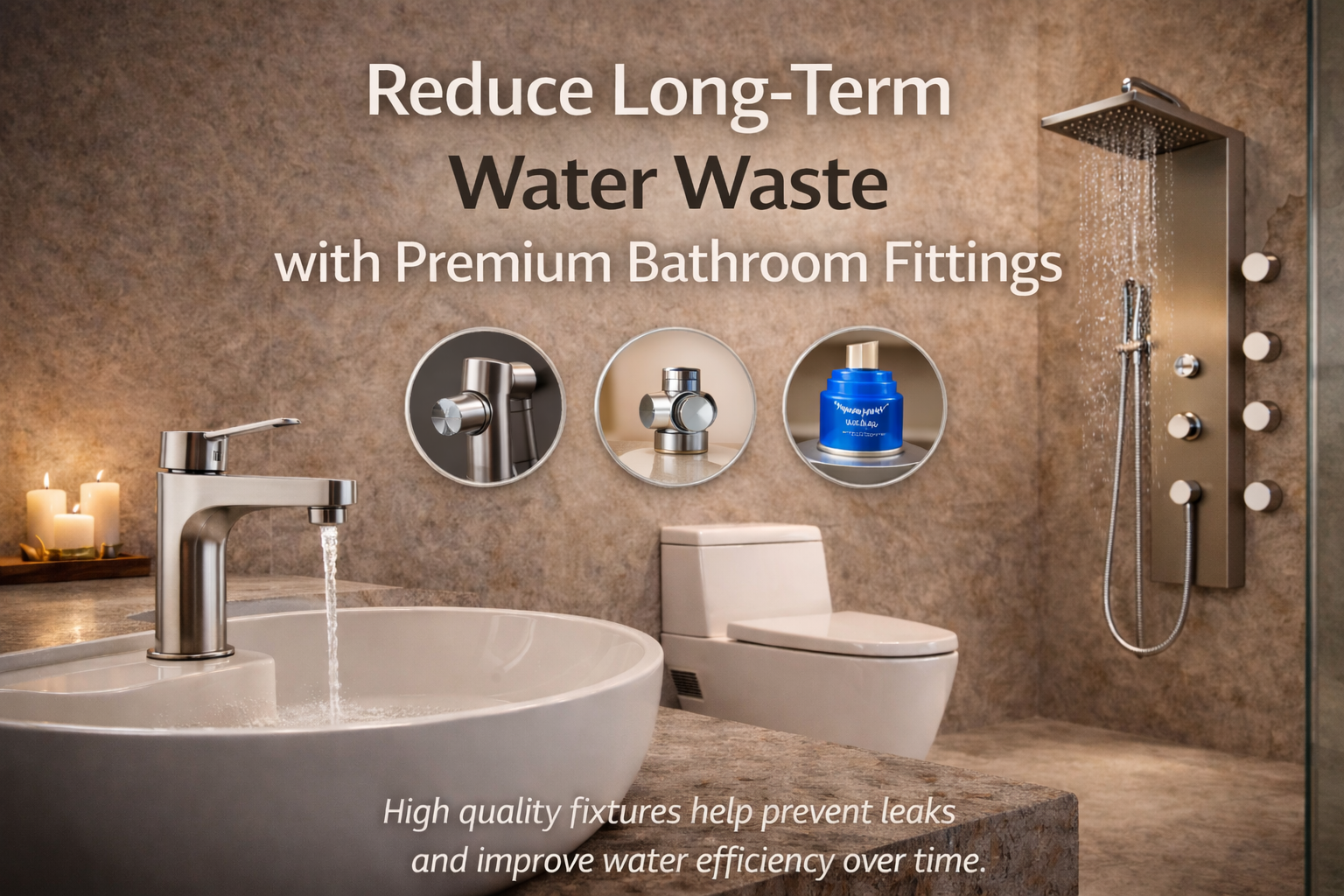
Yes. Good-quality fittings from brands like Salus India help prevent leaks, preserve steady water flow, and last longer. Over time, these reliable parts stop hidden drips and poor performance, so you waste less water.
High-grade valves, faucets, and shower systems also maintain consistent pressure control, ensuring water is used efficiently during daily activities. Durable materials mean fewer replacements and less plumbing damage in the future.
Buying premium systems means you save water, reduce maintenance costs, and protect your plumbing investment in the long run.